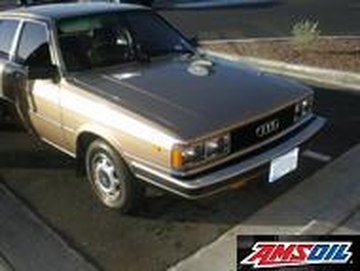
Lubrication Maintenance for the 1982 Audi 4000 1.6L Diesel
Maintaining a diesel engine requires a disciplined approach to fluid management and regular inspections. For the 1982 Audi 4000 equipped with the 1.6L [G] CR Diesel engine, consistent attention to lubrication quality and system integrity is essential for long-term operation. Because diesel engines operate under different thermal and mechanical stresses than gasoline counterparts, understanding the specific needs of this powerplant helps ensure its continued performance.
Monitoring Engine Fluid Integrity
A primary aspect of maintaining an older diesel vehicle involves regular visual assessments of the engine bay. Owners should look for any signs of fluid seepage or active leaks around various sealing surfaces. While some minor weeping may occur as components age, significant accumulations of oil can indicate a need for closer inspection of gaskets and seals.
When performing routine checks, it is helpful to observe the following:
- Surface Seepage: Check for oily residue on the exterior of the engine block or near connection points.
- Fluid Appearance: If oil is checked via a dipstick, note its color and consistency. Significant darkening or a gritty texture can be an indicator of extended service intervals or contamination.
- External Contamination: Look for areas where oil may have escaped and subsequently collected dust or debris, which often highlights the source of a slow leak.
If any unusual patterns of leakage are identified, they should be investigated promptly to prevent potential loss of lubrication levels during operation.
Managing Diesel Engine Lubrication Needs
The 1.6L diesel engine relies on high-quality lubricant to manage the heat and friction inherent in its design. Proper oil selection is not merely about replacing old fluid; it is about ensuring the chemical properties of the lubricant are appropriate for the engine's current condition and operating environment.
Modern lubricant technology offers several formulations that may be relevant to this vehicle:
- Conventional Oils: These are standard mineral-based lubricants.
- Synthetic and Synthetic Blends: These formulations often provide different levels of thermal stability and resistance to oxidation compared to pure conventional oils.
- High-Mileage Formulations: Some high-mileage oil formulations contain additives intended for use in aging engines, including seal-conditioning additives that may assist in maintaining the integrity of older rubber components.
Regardless of the formulation chosen, ensuring the lubricant meets the appropriate API service categories is a vital step in any maintenance routine. Always verify the certification on the product packaging to ensure compatibility with diesel applications.
Observing Potential Operational Changes
Beyond visual inspections, an owner should remain attentive to how the vehicle behaves during operation. While many mechanical issues can be subtle, certain signs warrant immediate investigation to prevent more significant complications.
Changes in engine noise or unusual vibrations can sometimes be associated with changes in lubrication quality or levels. Similarly, if the exhaust characteristics change significantly, it may indicate that something is affecting the combustion process or that internal components are not being adequately lubricated. It is important to remember that these symptoms can have multiple causes; for example, an unusual odor might simply indicate oil contacting a hot external surface rather than an internal mechanical failure. A systematic approach to diagnosis is always preferable to assuming a specific component has failed based on a single symptom.
Prioritizing Long-Term Maintenance Decisions
As a vehicle like the 1982 Audi 4000 ages, maintenance strategies often shift from purely preventive measures to condition-based monitoring. Rather than following a rigid schedule that may not account for the actual state of the hardware, owners can achieve better results by focusing on the current physical condition of the engine and its accessories.
Establishing a maintenance baseline is particularly useful if the vehicle's service history is incomplete. By performing a thorough inspection of all fluids, belts (if equipped), and hoses (if present), an owner can create a documented starting point. From there, maintenance can be prioritized based on actual needs:
- Address active concerns first: If a leak or a specific noise is identified, that should take precedence over general scheduled tasks.
- Monitor consumption: Keeping track of how much oil the engine uses between service intervals provides valuable data regarding the health of internal seals and rings.
- Review documentation: Maintaining a detailed log of all fluid changes, filter replacements, and repairs helps identify patterns that might otherwise go unnoticed.
This methodical approach allows for more efficient resource allocation, ensuring that maintenance efforts are directed where they will provide the most benefit to the vehicle's longevity.
Systematic Inspection of Peripheral Components
While engine oil is a central focus, the components surrounding the engine also require regular attention. For instance, if the vehicle is equipped with various drive belts, these should be inspected for signs of cracking, glazing, fraying, or general deterioration. Similarly, any visible hoses should be checked for softness, swelling, or leaks to ensure the cooling and vacuum systems remain intact.
Electrical connections and wiring harnesses should also be examined for signs of brittleness or corrosion, as these can impact sensor accuracy and overall engine management. By integrating these checks into a routine service visit, an owner can catch minor issues before they escalate into more complex mechanical problems.
Practical Guidance for Buying Engine Oil for the 1982 Audi 4000 1.6L
When it is time to replenish the lubrication in your 1982 Audi 4000 1.6L, the most critical step is to match the lubricant to the specific requirements of your engine. Do not rely on general assumptions about diesel oil or the age of the vehicle when making a purchase.
To ensure the correct application, always refer to the vehicle-specific oil viscosity and application information already displayed on this webpage. Once you have identified the correct viscosity, check the product labels carefully to confirm that the oil meets the necessary API service specifications for a diesel engine. Whether you decide to use a conventional, synthetic blend, or a high-mileage formulation, your choice should always be guided by the specific technical data provided for this 1.6L [G] CR Diesel application.